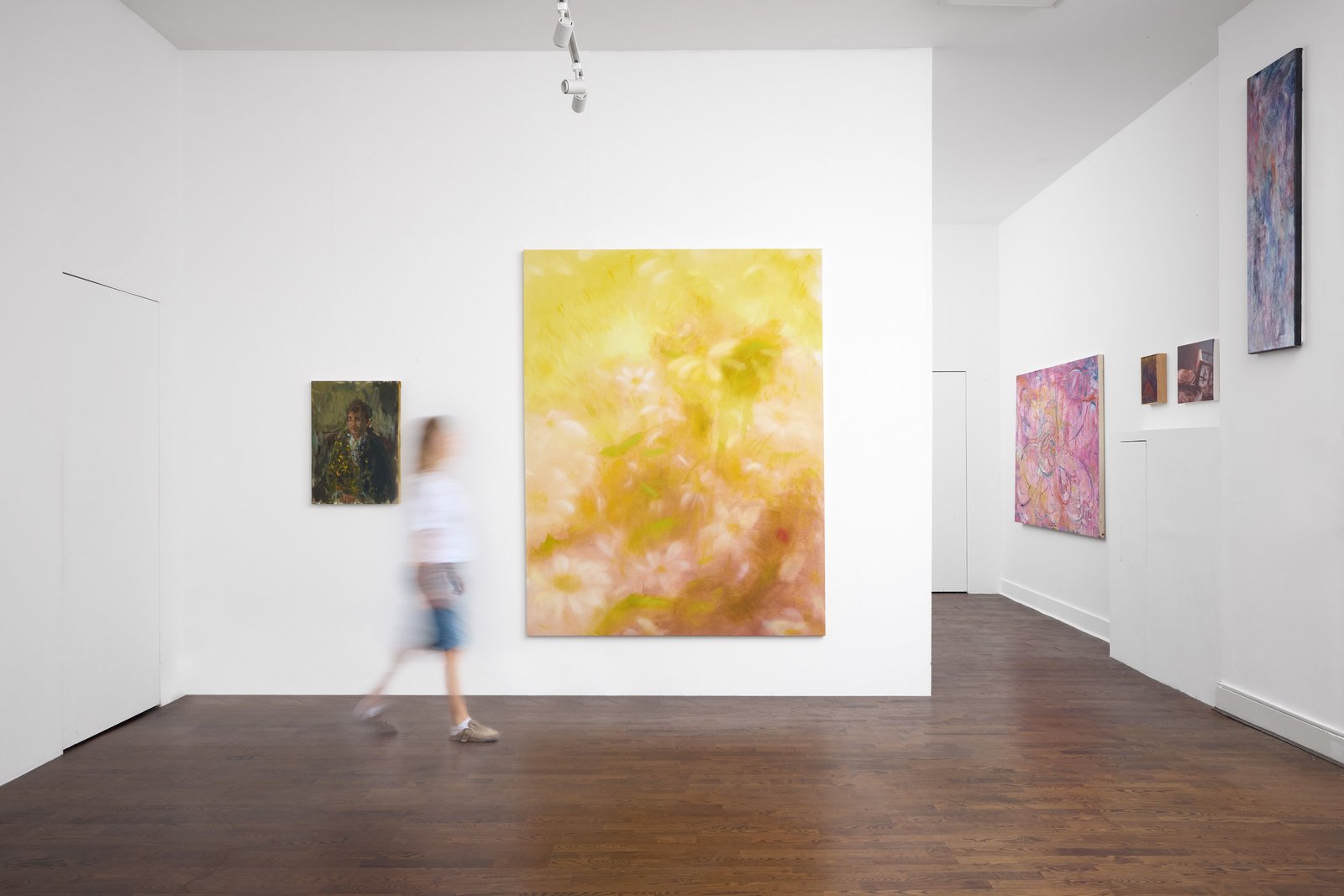
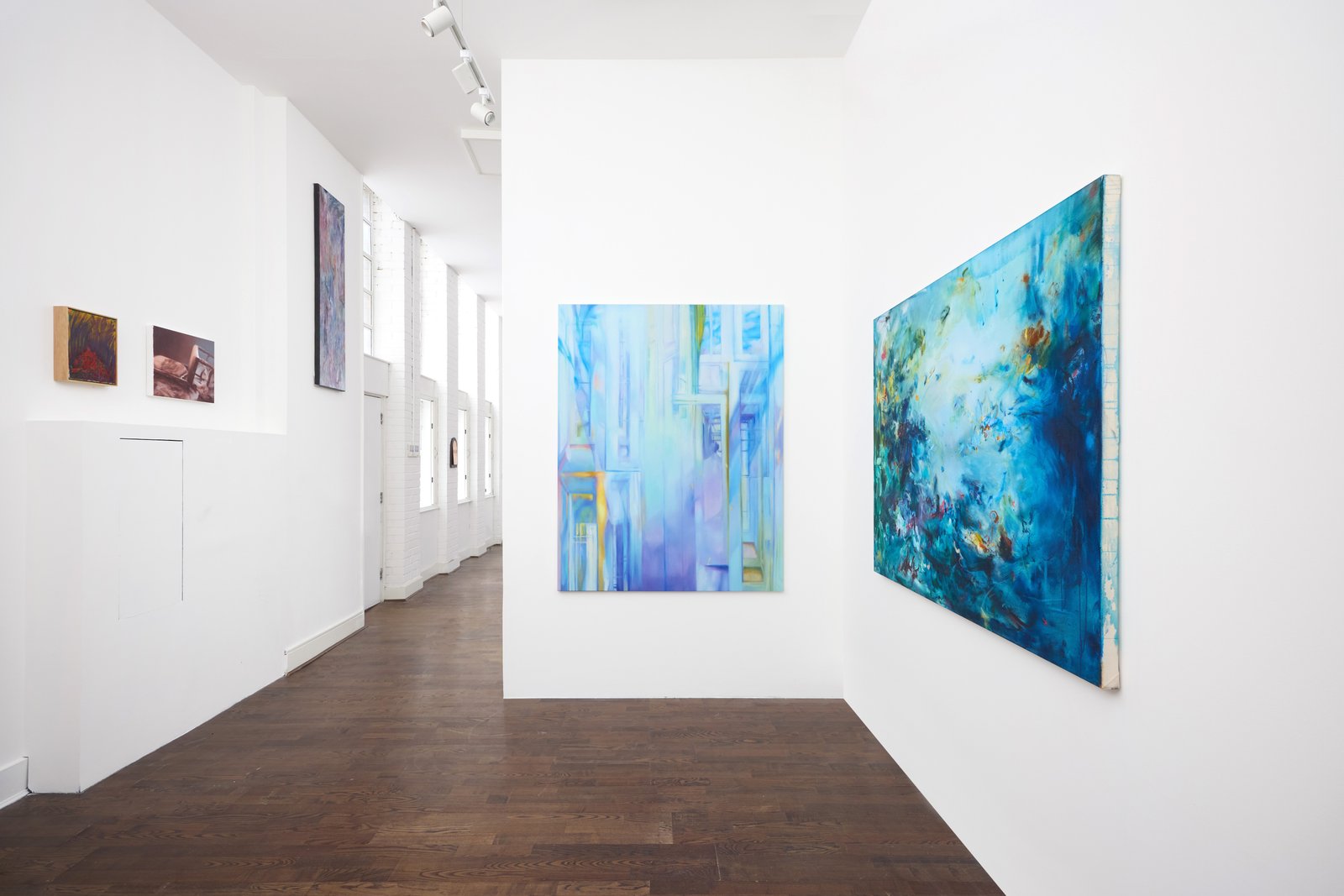
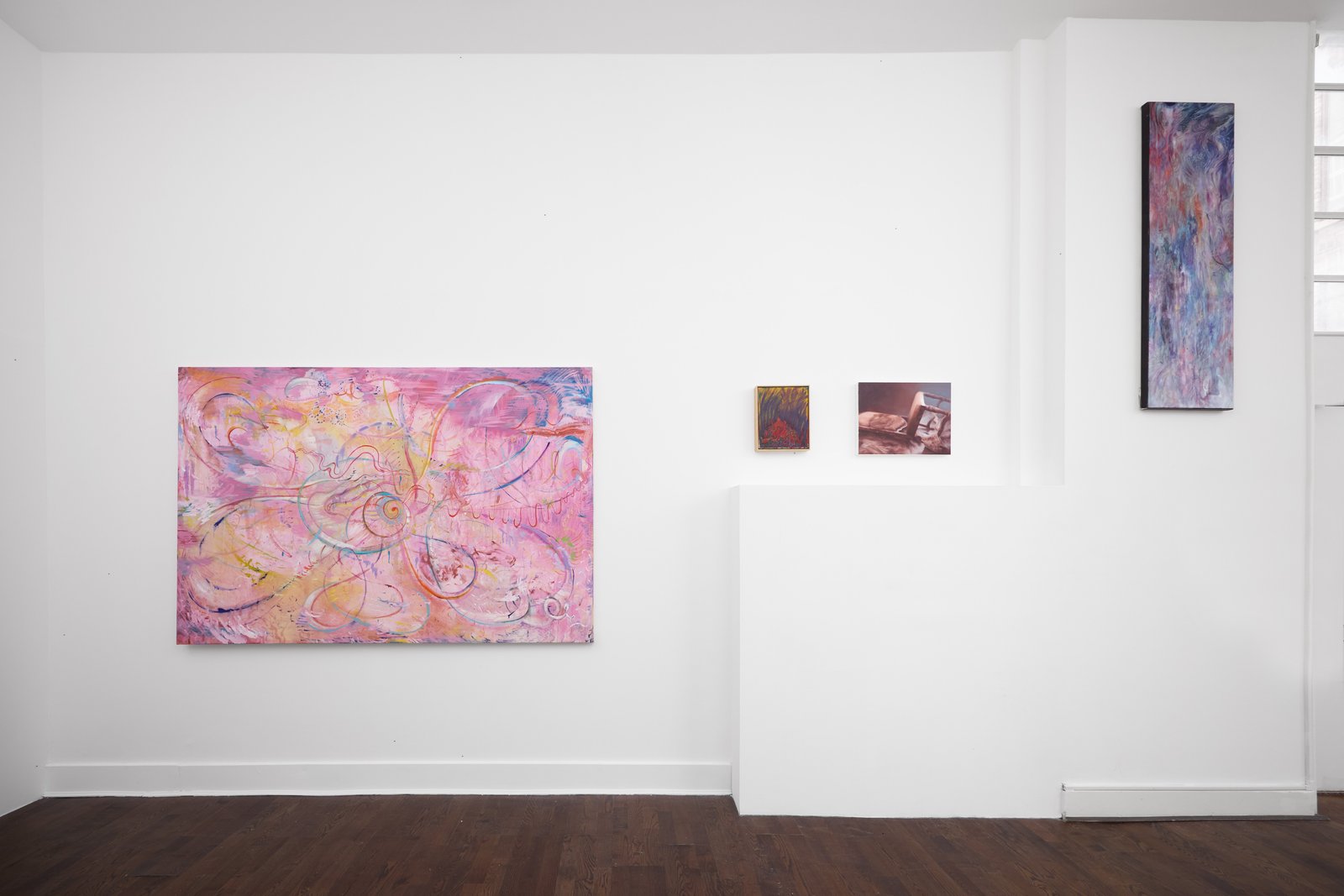
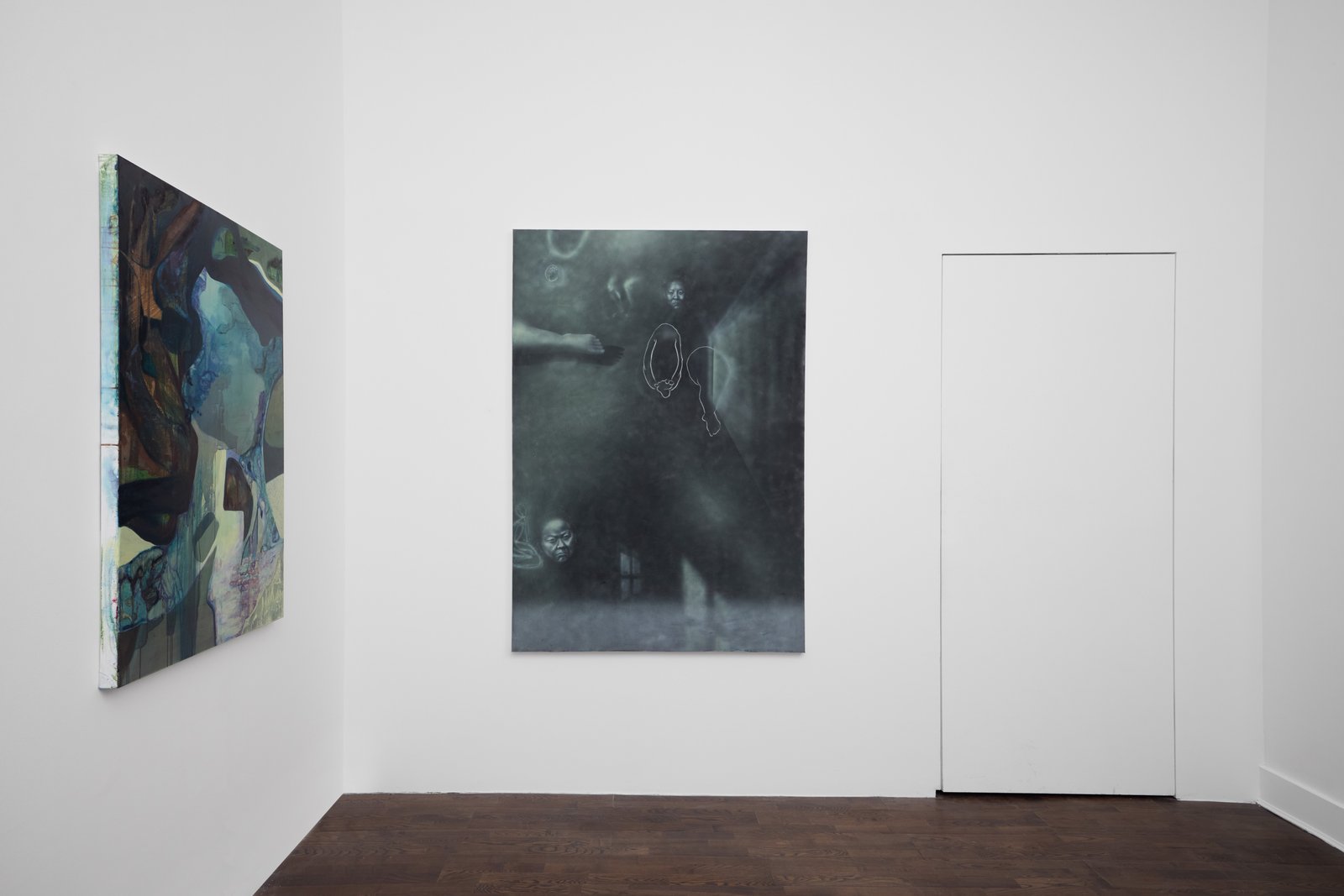
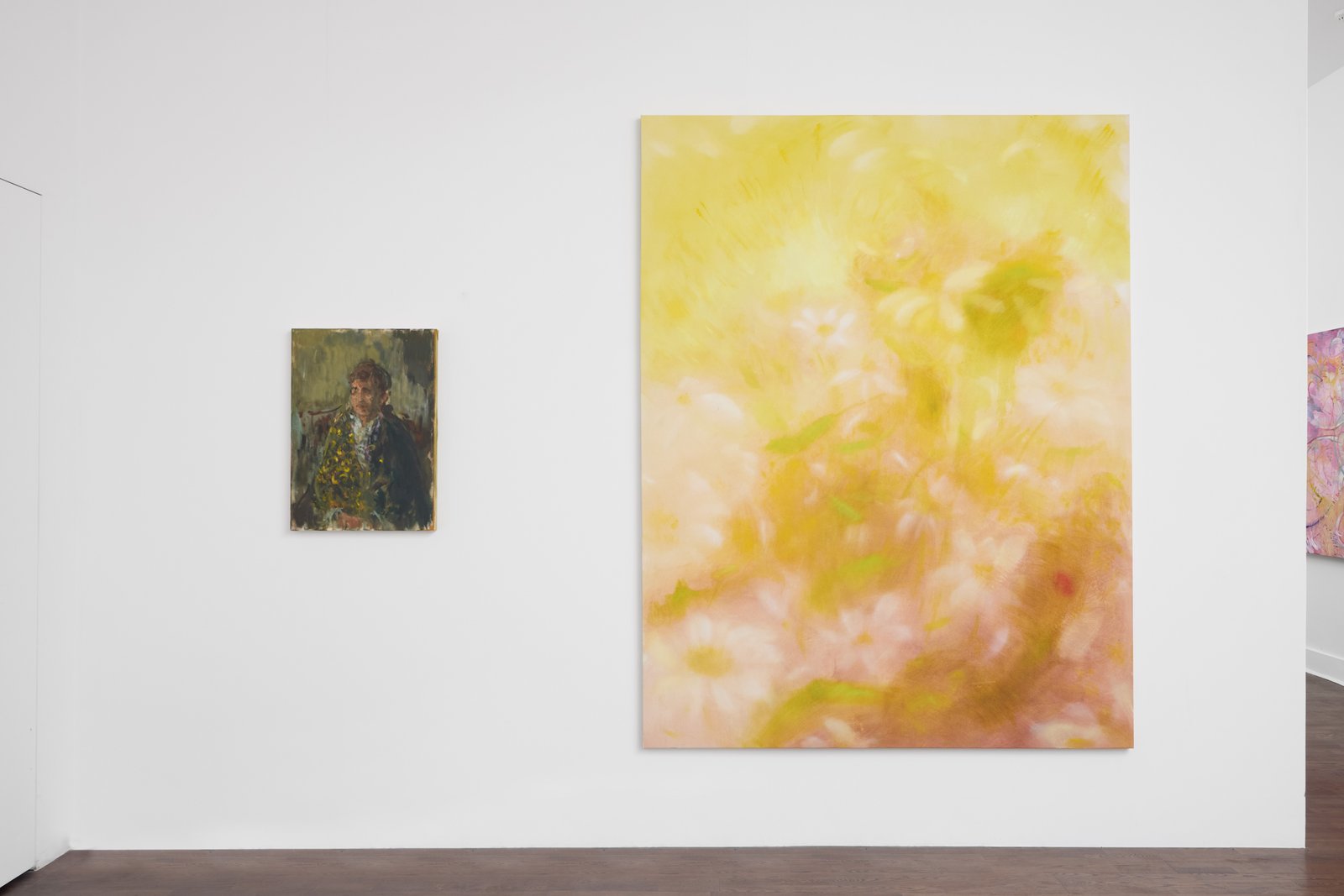
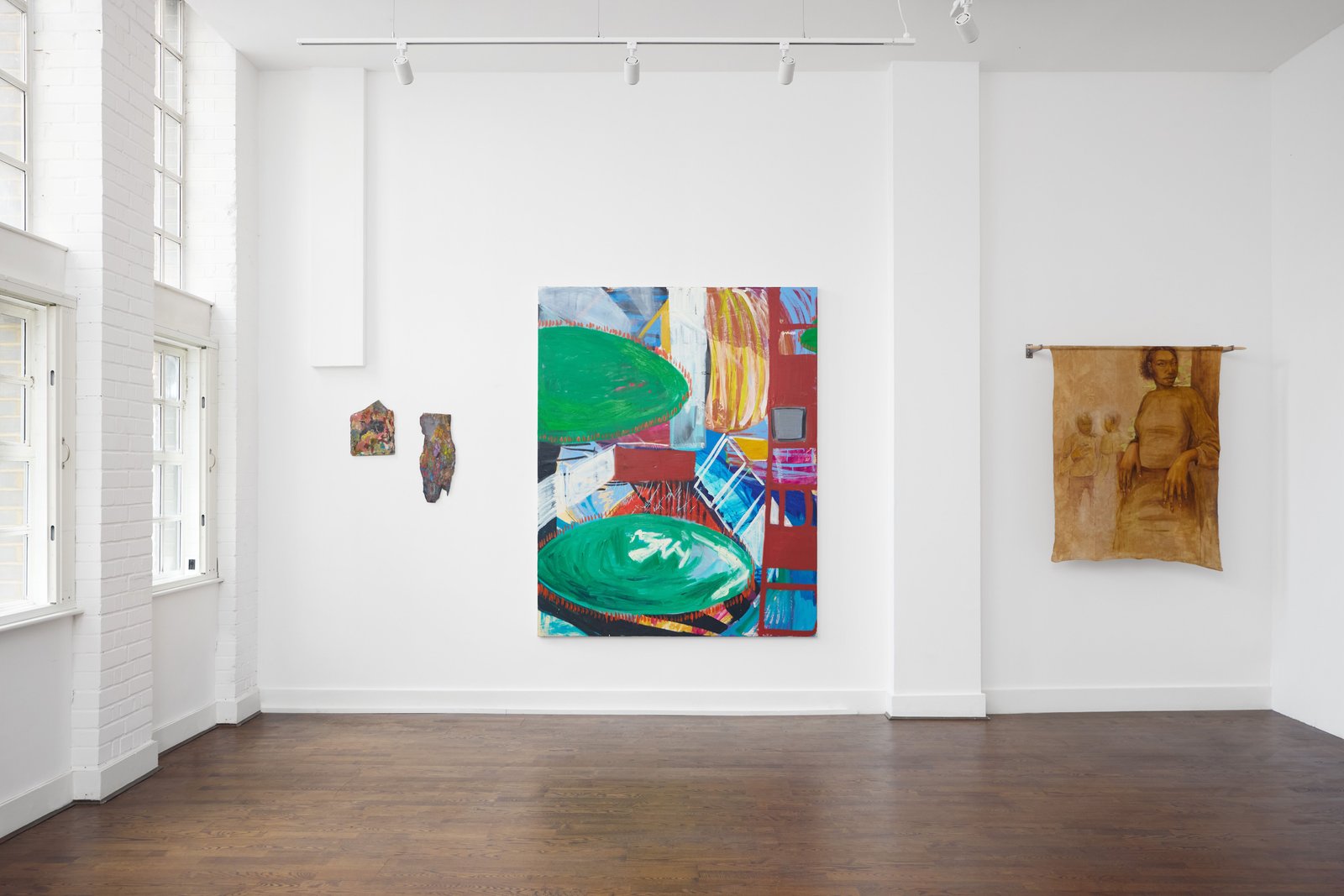
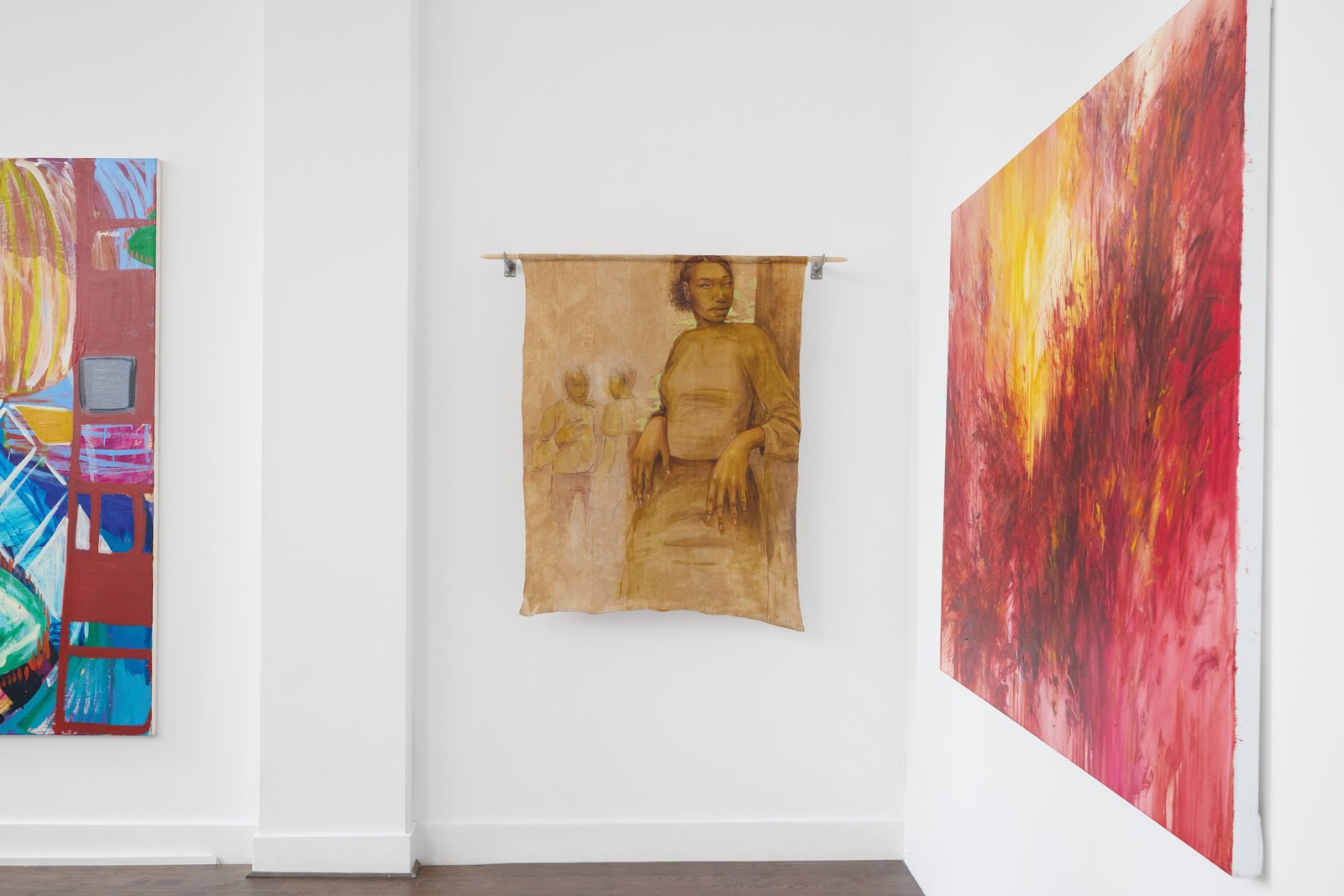
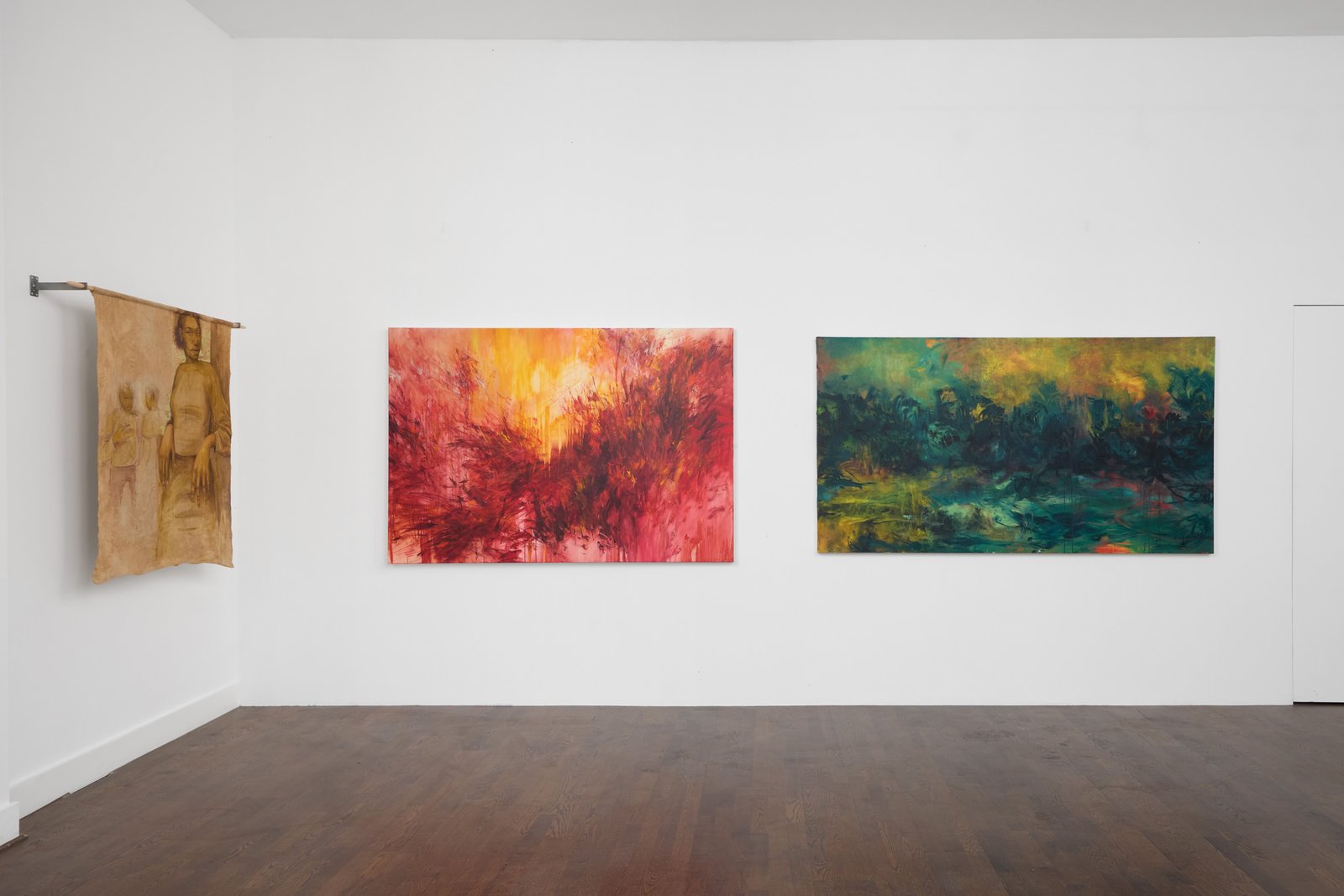
Every summer, London’s art scene turns a new page as a freshly graduated generation of artists steps forward. ‘London Writes Itself’ is LBF Contemporary’s response to that moment – a selection of artists drawn from this year’s cohorts at the Slade School of Fine Art and the Royal College of Art. The works on view trace sixteen distinct visual languages, united by the city that formed them and their shared moment of stepping out of education and into the world. More than ever, London continues to generate energy and cement its position as a dominant cultural hub for emerging creatives – and this show is a first look at some of the artists who will carry that forward.
Featuring: Maria Andrievskaya, Sunkyung Baek, Ksenia Dermenzhi, Neequaye Dreph Dsane, David Hanes, Rose Electra Harris, Dora Lam, Ruowei Liu, William Lowry, Anna Lugovska, Ruarí Milne, Rhiannon Salisbury, Victor Scheibler, Jiatong Yuan, Ajea Zahid and Guangyu Zhang.
About the Artists
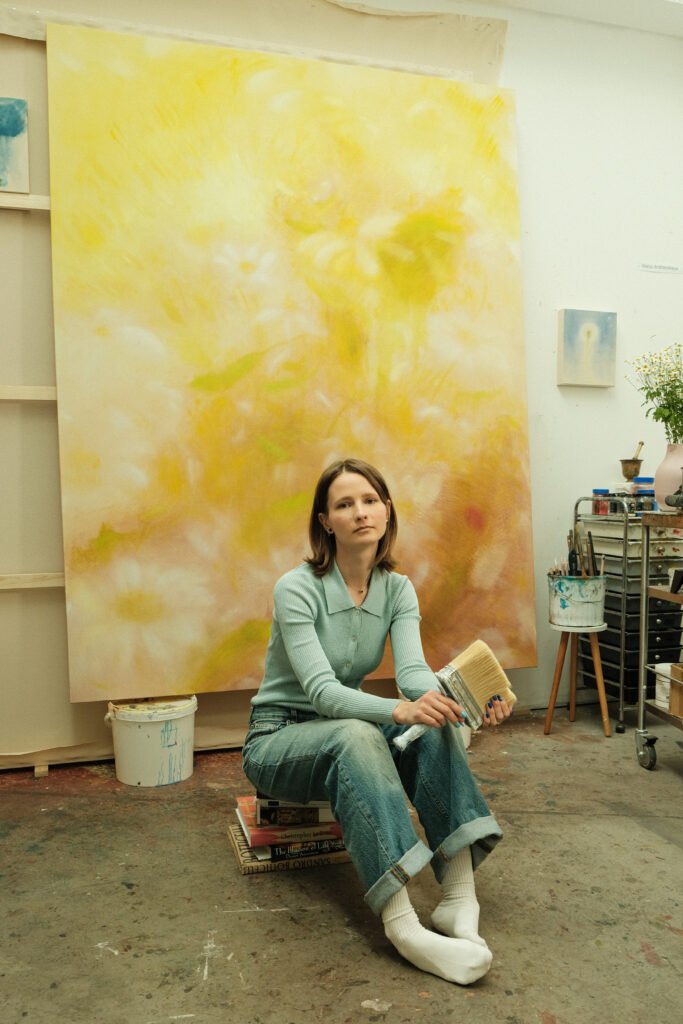
Maria Andrievskaya
Born 1993
Lives and works in London, UK
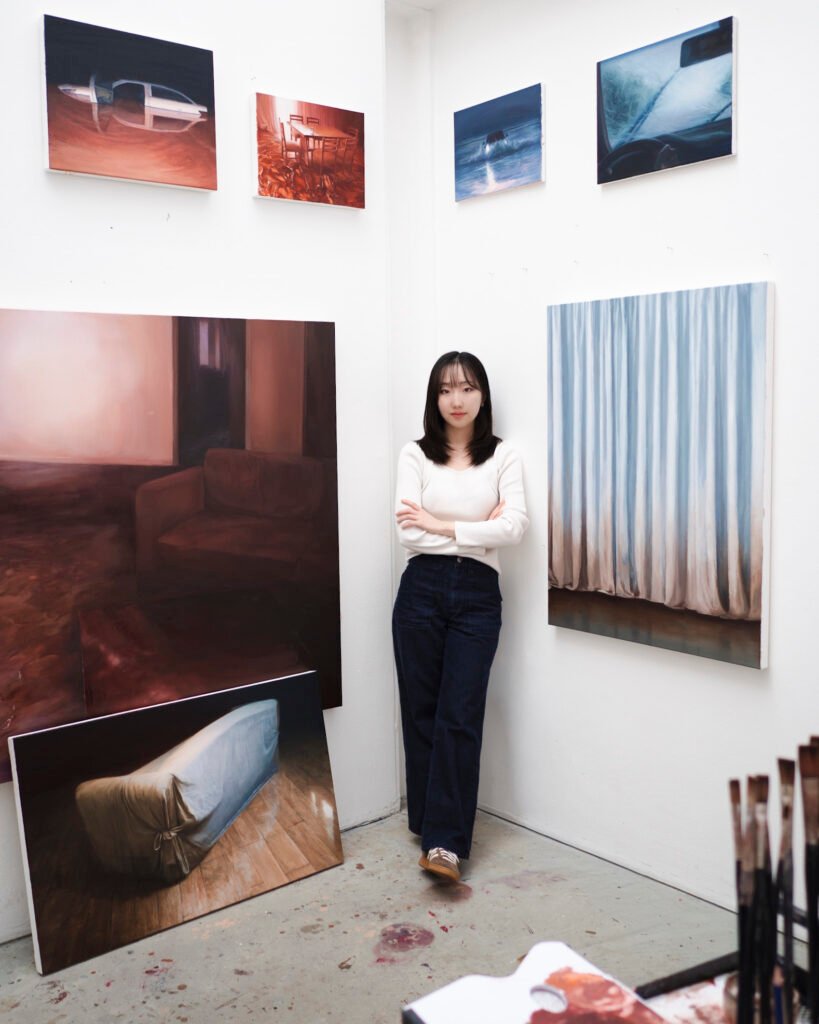
Sunkyung Baek
Born 2000, Seoul, Korea
Lives and works in London, UK
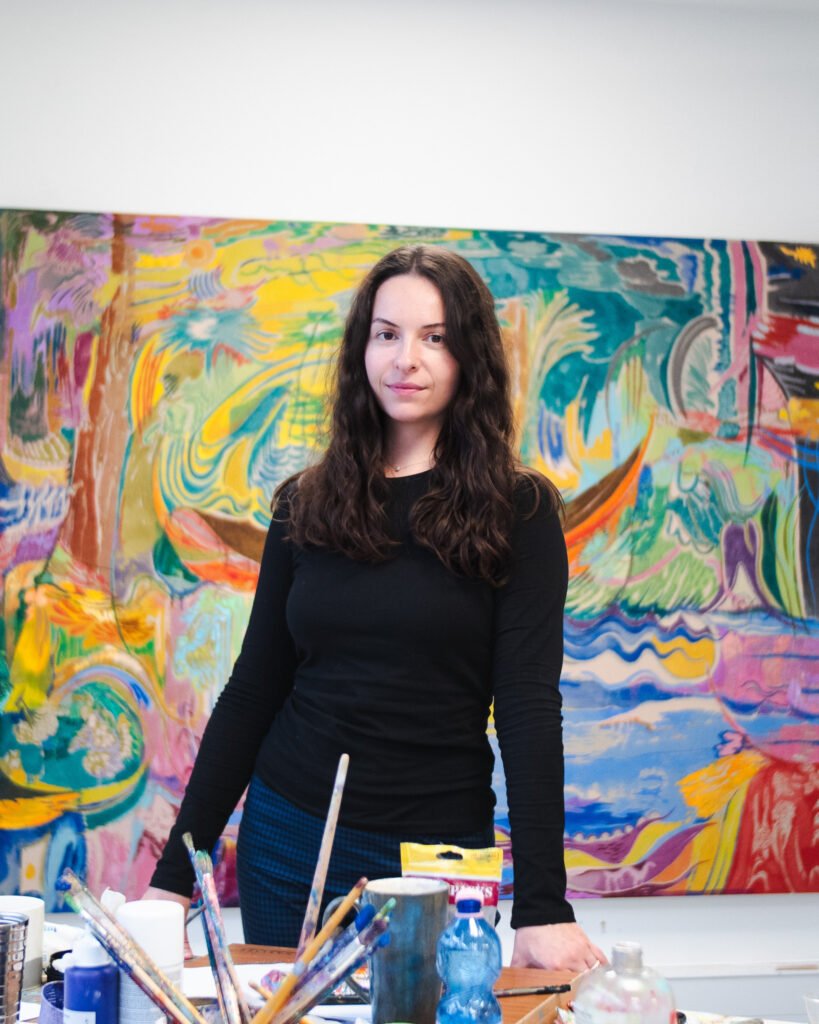
Ksenia Dermenzhi
Born 1995, Moldova
Lives and works in London, UK
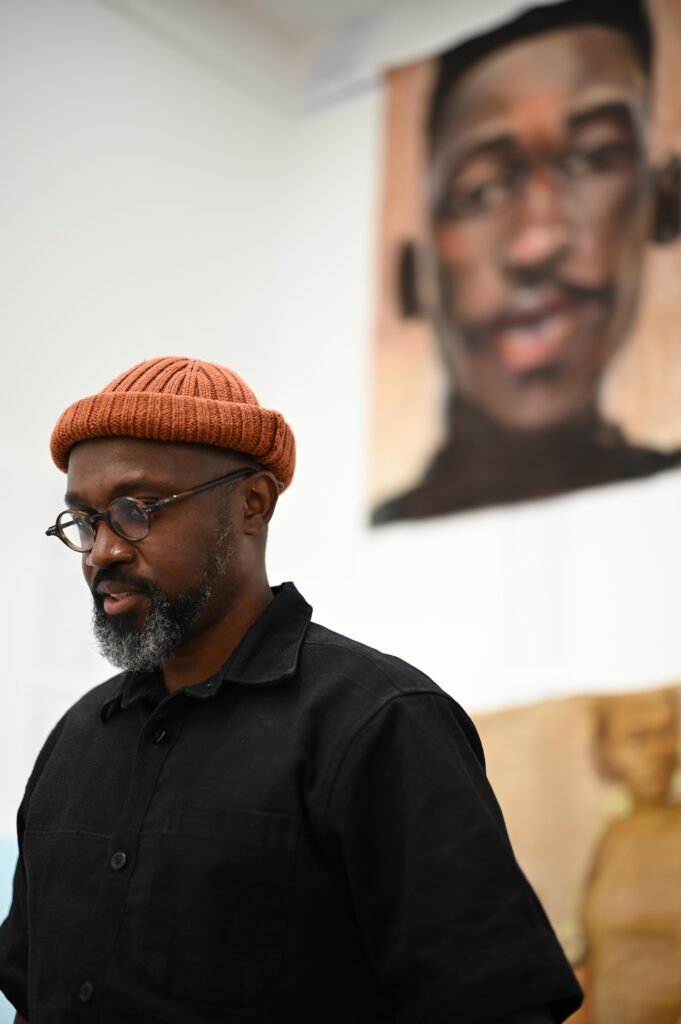
Neequaye Dreph Dsane
Born 1973, Nottingham, UK
Lives and works in London, UK
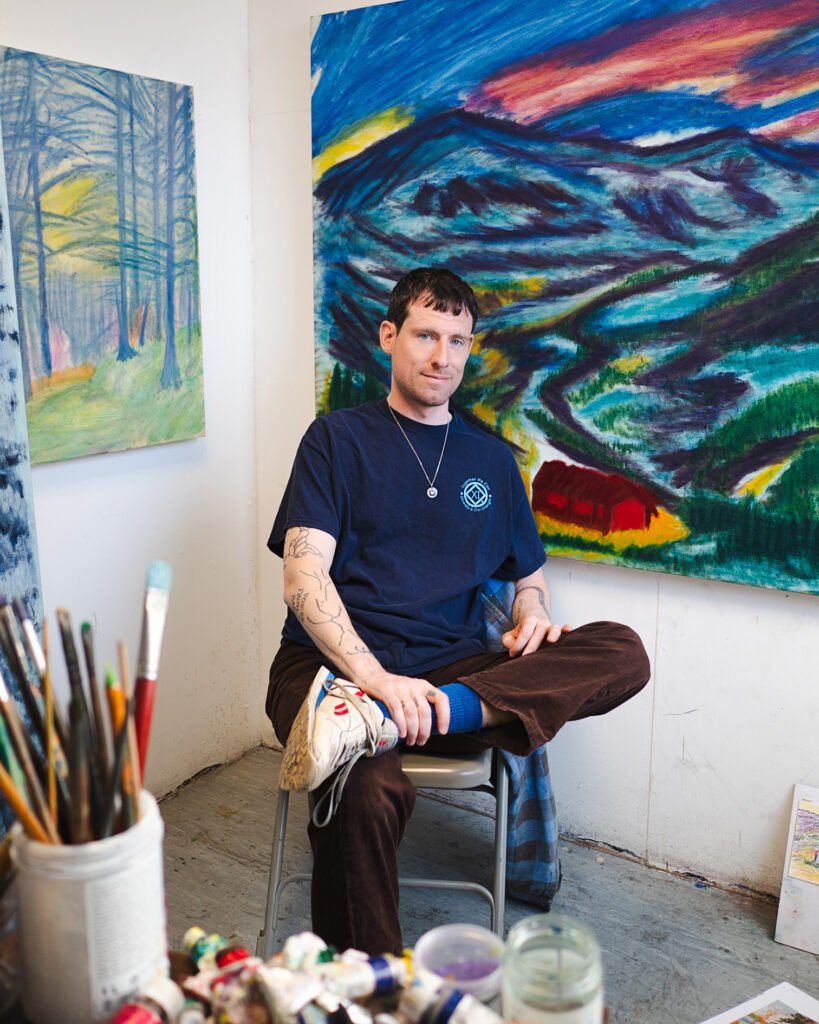
David Hanes
Born 1987, Toronto, Canada
Lives and works in London, UK
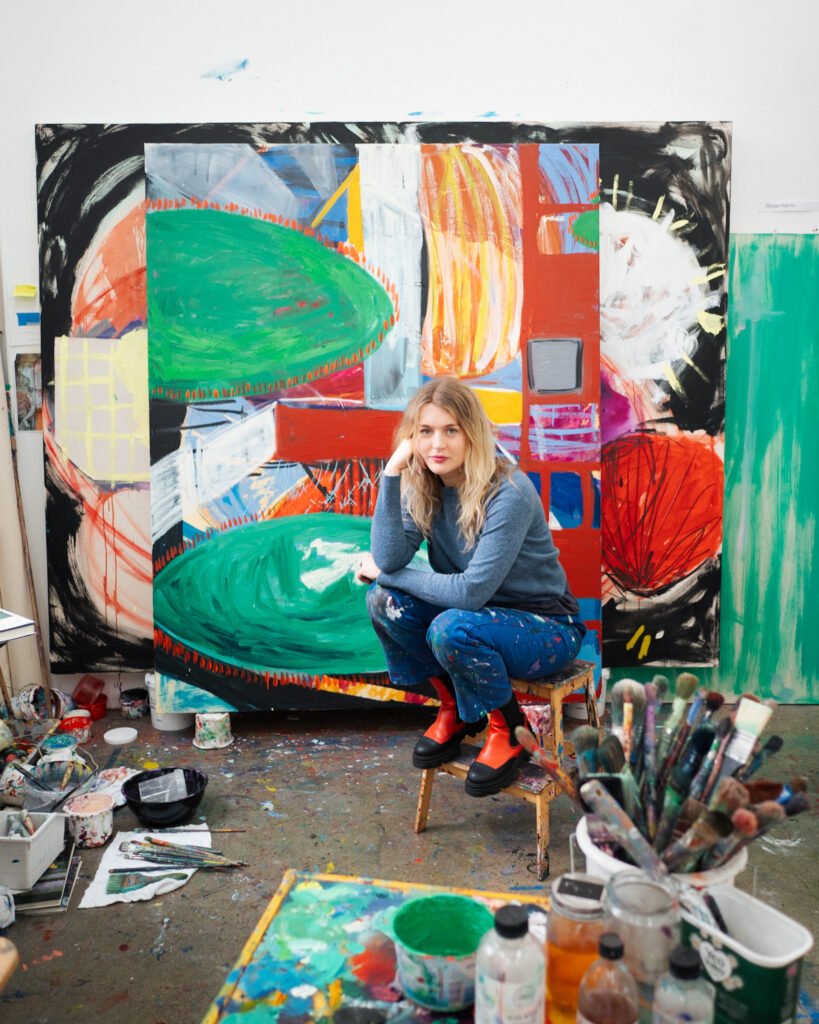
Rose Electra Harris
Born 1991, London, UK
Lives and works in London, UK
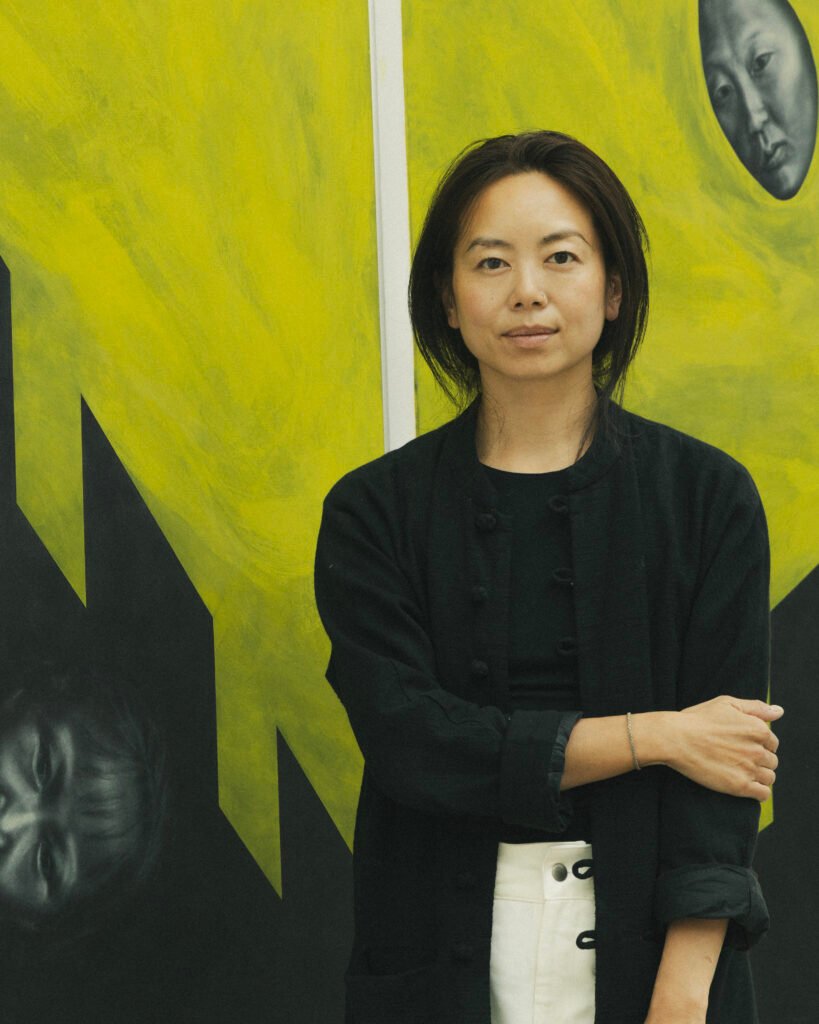
Dora Lam
Lives and works in London, UK
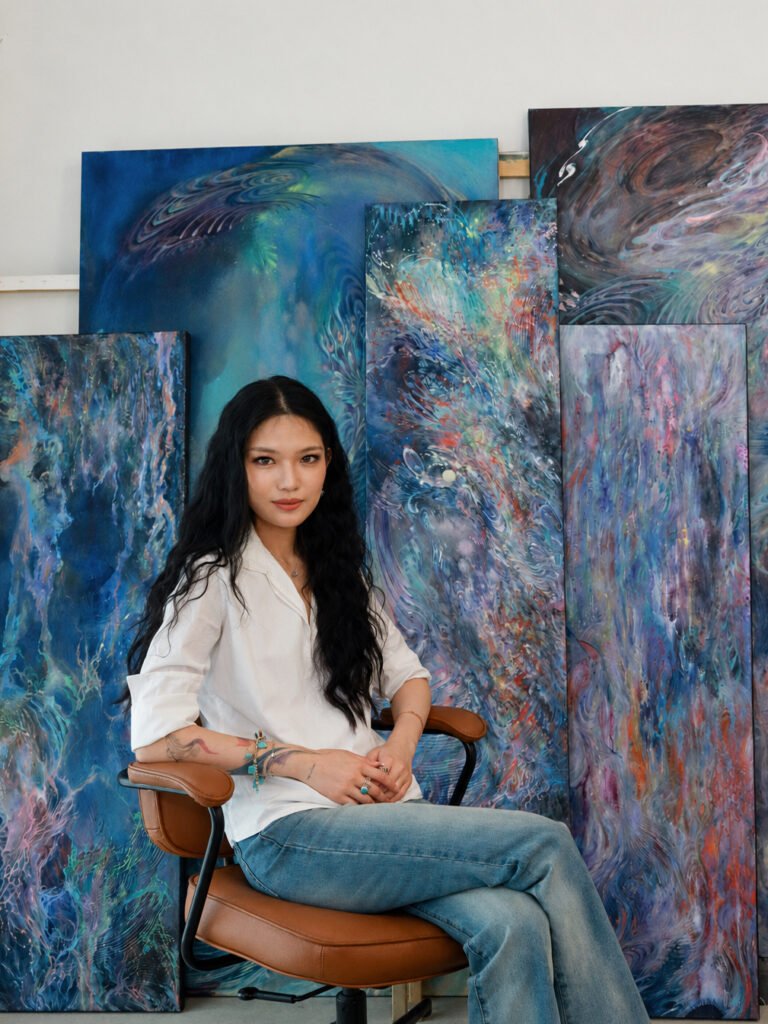
Ruowei Liu
Born 2004
Lives and works in London, UK
William Lowry
Born 2001, UK
Lives and works in London and Oxford, UK
Anna Lugovska
Born 1996, Kyiv, Ukraine
Lives and works in London, UK
Ruarí Milne
Born in Canada
Lives and works in London, UK
Rhiannon Rebecca Salisbury
Lives and works in London, UK
Victor Scheibler
Lives and works in London, UK
Jiatong Yuan
Born 1994, China
Lives and works in London, UK
Ajea Zahid
Born 2000, Karachi, Pakistan
Lives and works in London, UK
Guangyu Zhang
Born 2002, Qingdao, China
Lives and works in London, UK
Maria Andrievskaya’s practice explores the inner landscape and painting as a form of sensing rather than seeing, developed through a new visual language informed by her changing experience of vision. She begins with an empty surface, a place of uncertainty, attention and trust, following what emerges and allowing intuition, memory and bodily sensation to lead when vision begins to falter. The work is rooted in colour intensities and the preparation of the surface: she makes her own grounds, and once layered with oil and pigment, the painting becomes a terrain shaped by touch, pressure and time. She was awarded the Baton Prize by Flora Yukhnovich, Oli Epp and Natalia Gonzalez Martin, and has received several awards, including the ACS x City and Guilds Undergraduate Prize. She was also shortlisted for the Painter Stainers Prize.
Sunkyung Baek’s work explores contemporary society through images of water, flooding, and destabilised familiar spaces. She understands contemporary society as shaped by fluidity, flexibility, and mobility, using flooding as a metaphor to examine how these conditions unsettle environments associated with safety, such as homes, cars, and rooms. In her paintings, water operates as an uncontrollable external force – quiet, excessive, and persistent – entering and transforming these spaces. Rather than depicting dramatic catastrophe, Baek focuses on slower processes of accumulation and infiltration. Sunkyung Baek works primarily in oil on canvas. She is currently undertaking an MA in Painting at the Royal College of Art, London, after completing her BFA at Hongik University, Seoul. She is a recipient of the 2026 Jackson’s Art Prize.
Ksenia Dermenzhi’s practice develops through the slow construction and dissolution of the image, where painting is concerned with emergence rather than resolution. Forms remain in a continual state of becoming, appearing and disappearing through the interaction between material and the painted surface. Working primarily with liquid and semi-transparent oil paint, as well as oil pastel, Ksenia builds and disrupts pictorial space through layering, dilution, pouring, staining, absorption, and removal. Organic and floral forms frequently emerge within this process. Neither fully figurative nor entirely abstract, they occupy a space between recognition and openness. These forms function not so much as depictions of nature, but as manifestations of inner experience taking shape through colour and material. Colour occupies a central role in the artist’s practice, functioning not as a descriptive tool but as a generative force through which images gather, shift, and unfold. Each painting exists in a state of dialogue between intuition and decision, control and release, up until the moment it receives its title.
Neequaye Dreph Dsane, is an artist whose practice spans painting, drawing, sculpture, installation, printmaking, and large-scale street murals. For him, his painting is rooted in community. Spending time between London and Accra, his practice explores what it means to exist “in-between” cultures and places, holding different identities and ways of seeing the world at the same time. Through his art, he weaves together fragments of his personal journey, allowing history and contemporary life to coexist. Inspired by the sampling techniques of the hip-hop music he grew up listening to, his works often begin with digitally collaged family archives, found online imagery, memory and observational drawings. Through this process of play he hopes to create moments in time that never existed, yet still feel true. His current work explores ideas of belonging and he is drawn to quiet, emotional moments: friendship, family relationships or the delicate line between feeling connected and disconnected. Dsane received an MFA in painting from The Slade School of Fine Art, UCL. He is the recipient of the Cass Art Painting Award (MA), the Liquitex Prize, and the Joan Hoads Prize in Drawing. He lives and works in London.
David Hanes’ work begins outdoors, with hand-held sketches made on site—imprints of light, colour, atmosphere, and energy. He carries these sometimes for years, filtering them through distance and time before transforming them in the studio into colour-driven oil paintings. In this way, the paintings are not reproductions but recollections of marks, rhythms, moods, and the pause between then and now. Built slowly over weeks of layering, they become dwelling-places that hold a felt tension between creation, stillness, and the vital weight of being alive: grief and hope, loss and longing, suffering and curiosity. Hanes was shortlisted for The Hopper Prize and is the recipient of a Mobility Scholarship from the Embassy of Canada in Rome.
Rose Electra Harris’ painting practice emerges through restless interactions, between control and chaos, impulse and reason, freedom and constraint, the organic and the structured. Moving between figuration and abstraction, her work resists resolution. She reimagines space not as something fixed, but as something shifting, unstable and continually unfolding. Nature acts as a consoling presence, not directly represented but always considered. Rose embraces uncertainty, where not knowing becomes essential. There is a simultaneous search for meaning and resistance for closure. She wants the work to remain open, allowing indeterminacy to unfold. Within this, the paintings become spaces of freedom: a release of energy, urgency, and frustration, where sensation and feeling takes precedence over representation.
Lam’s paintings draw on women found in colonial and personal archives. She isolates the face — individuation as refusal of type — extracting each figure from her original photographic context and relocating her within geometric spaces, environments constructed through a diasporic logic: the minimum needed to suggest a place while refusing fixed geography, or time. She works on dark grounds with atomised paint, the faces meticulously rendered to acquire a surface that appears untouched by hand — precision becomes both an act of sincerity and a confrontation with what can never be known. Gesture, drawn line, and fields of colour interrupt the authority of the archival image, creating openings for play, frivolity, and refusal; the paintings become containers for misbehaving units of history — stories, behaviours, and people that slip between what is recorded and what is lived. Dora Lam is currently completing an MA in Painting at the Royal College of Art, supported by the Cass Art Scholarship. She was shortlisted for the Chadwell Award 2026, and was previously awarded the Queen Elizabeth Scholarship Trust (QEST) Award. She has exhibited at the ICA, Bristol Museum & Art Gallery and Museum of the Home, and has given talks at Tate Liverpool, Museum of the Home, and City University.
Born and raised on the grassland, Ruowei brings a nomadic way of sensing into her painting. Her work resists fixed identity and singular narrative. Bodies, plants, spirits, and landscapes appear in unstable relation to one another: they drift, mutate, and return to the surrounding atmosphere. She allows forms to emerge, disappear and overlap, while refusing clear separation. The visible world begins to loosen, and another order of perception starts to appear. Through thin layers, wandering contours, and fragile yet persistent forms, Ruowei gives visual structure to experiences that usually remain beneath language: intuition, ancestral memory, bodily sensitivity, and the quiet pressure of unseen forces.
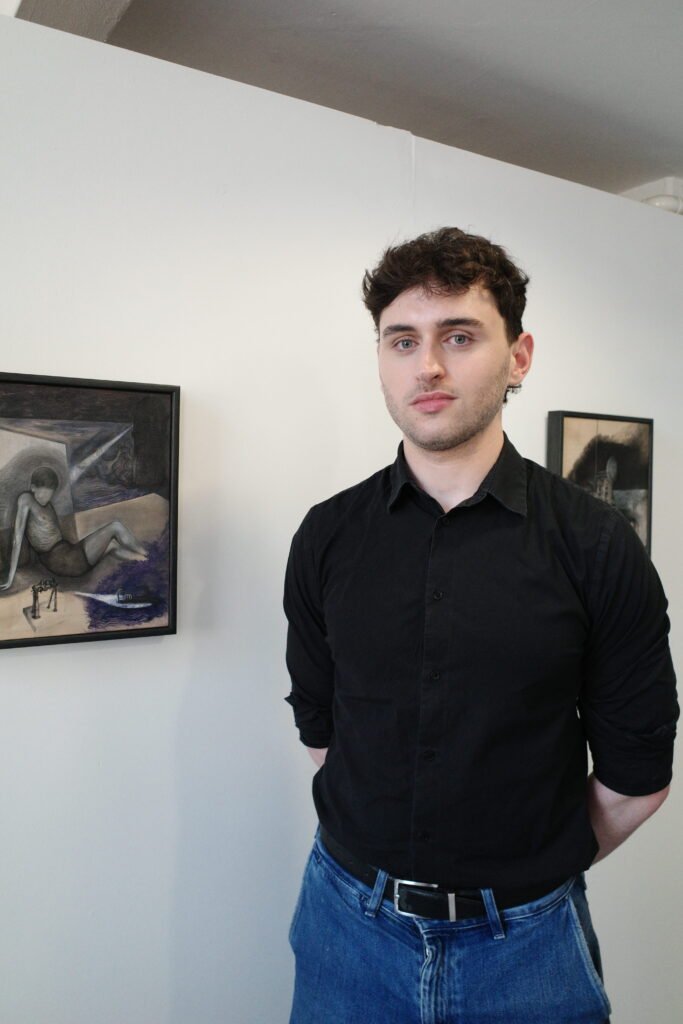
William Lowry makes drawings, prints, sculptures and installations that explore masculinity, memory and myth through the symbolic language of architecture. Figures – soldiers, athletes, workers, lovers, boys – appear caught between performance and vulnerability. They inhabit spaces suspended between the contemporary and the ancient, the intimate and the monumental: city edges, watchtowers, domes, arches and floodlights. These settings borrow from visionary and monumental architecture, from Boullée’s impossible gravity to Sant’Elia’s Futurist infrastructures, to stage the body inside larger fantasies of progress, power and ruin. He is interested in how images become carriers of internal mythologies, and how private feeling gets organised into public iconography. Alongside drawing and printmaking, he uses materials such as aluminium, plywood, resin, acetate, perspex and light, as well as processes including 3D printing, projection and sound. He is drawn to devotional objects, reliquaries and apocalyptic image traditions, where illumination and catastrophe sit side by side. His awards include the Bartolomeu dos Santos Memorial Award, awarded by the Slade School of Fine Art, the Max Werner Drawing Prize, the Euan Uglow Scholarship, the Hermione Hammond Drawing Award, the Vivien Leigh Prize, the Emery Prize and the Peter Kirk Travel Scholarship.
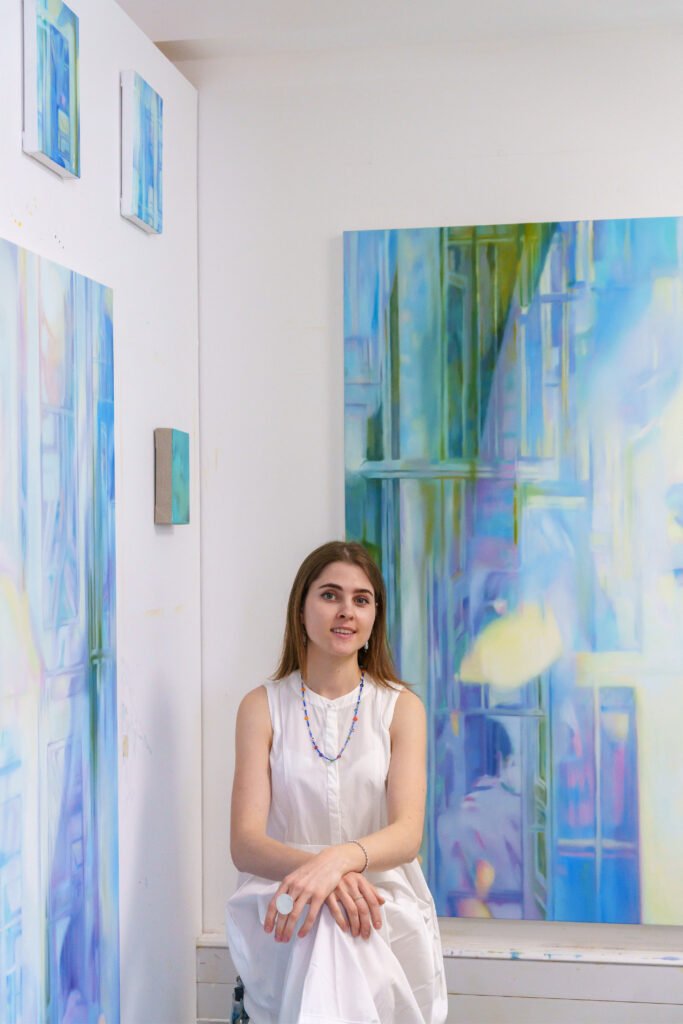
Anna Lugovska is a visual artist based between Basel and London. Her education includes a Master’s program in Painting at the Royal College of Art in London (2026); Bachelor’s and Master’s degrees in monumental painting from the National Academy of Fine Arts and Architecture in Kyiv (2019). In 2023, she completed her PhD in History and Theory of Art at the National Academy of Fine Arts and Architecture while simultaneously studying at the University of Basel in Switzerland. In 2024–25, she conducted postdoctoral research at the Swiss Institute for Advanced Studies – Collegium Helveticum, ETH Zurich. Anna has participated in multiple international exhibitions in Switzerland, the UK, the USA, China, Montenegro, the UAE, and Ukraine.
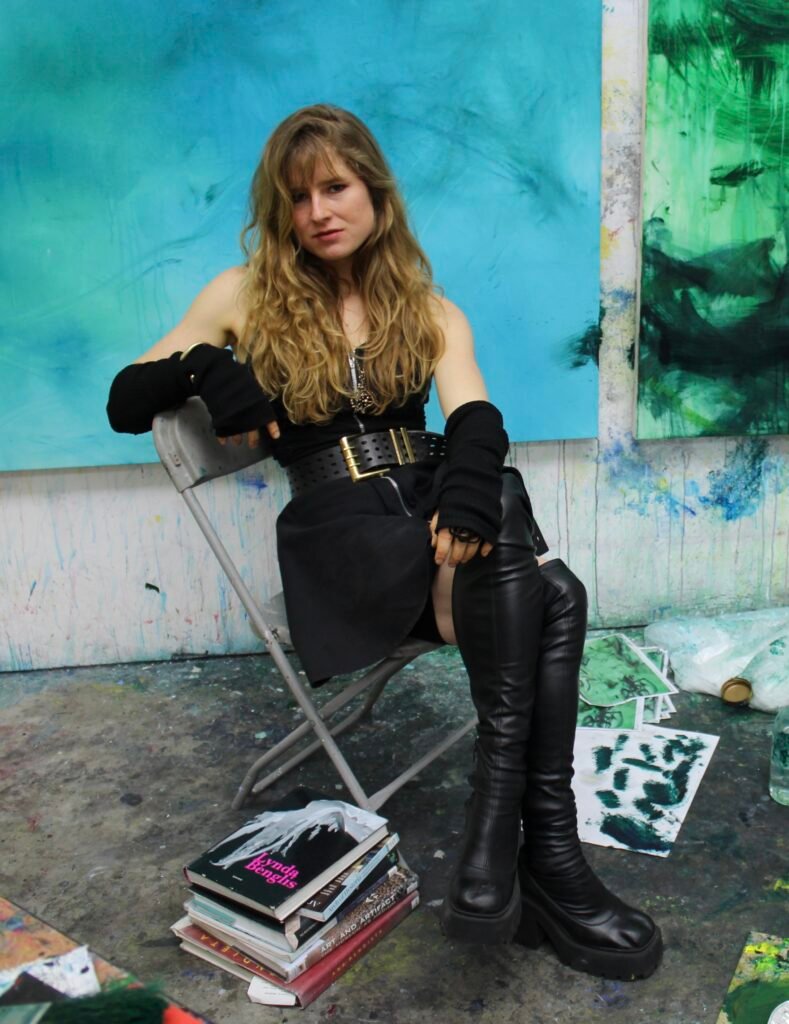
Ruarí Milne is a Canadian painter currently based in London. She is currently completing her MA in Painting at the Royal College of Art, and received her BA in Art History from the University of Toronto in 2024. Her painting begins with the warmth, tactility and grittiness of oil, and with listening to the expansive space of colour like a best friend. “It is about painting with my hands and resisting mediation, detachment and disembodiment in the process. I wash oil across the canvas, scratch through it and pull out light from underlying layers. I wash over it again, rub it out, run through it with thick paint and let its stiff peaks curl into branch-like forms. To paint is to be physically present with material, with the surface, the tenderness and awkwardness of it all, and to listen to the environment it creates.” The process is as much informed by Gutai, lyrical abstraction and Turner as it is by a cramped room of London jazz musicians moving to an expansive sax solo.
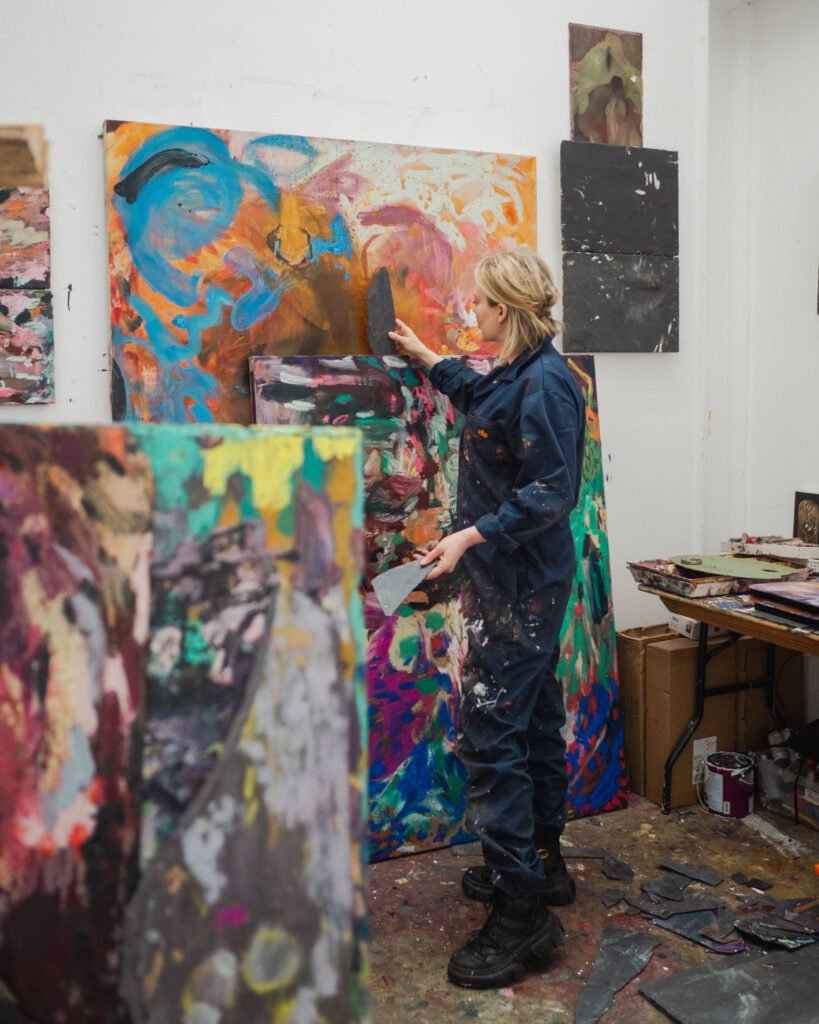
Rhiannon Rebecca Salisbury is a British painter working across canvas and Welsh slate. Her practice explores the meeting points between body, landscape, memory and myth, treating painting as a threshold surface where material and imagined worlds can overlap. Her canvases are built through layering, staining, interruption and return. Paint is allowed to pool, resist and shift, creating spaces that move between abstraction, landscape and bodily sensation. Alongside these works, Salisbury paints directly onto repurposed Welsh slate, responding to its weight, fracture, history and geological presence. These works draw on Welsh mythology, ritual, labour and ideas of passage, transformation and the inbetween. Salisbury is graduating from the MA Painting programme at the Royal College of Art, where she is supported by the Basil H. Alkazzi Scholarship Award. She previously completed an MA in Fine Art at Chelsea College of Arts, supported by the John Hoyland Scholarship, and attended the Turps Banana Studio Programme.
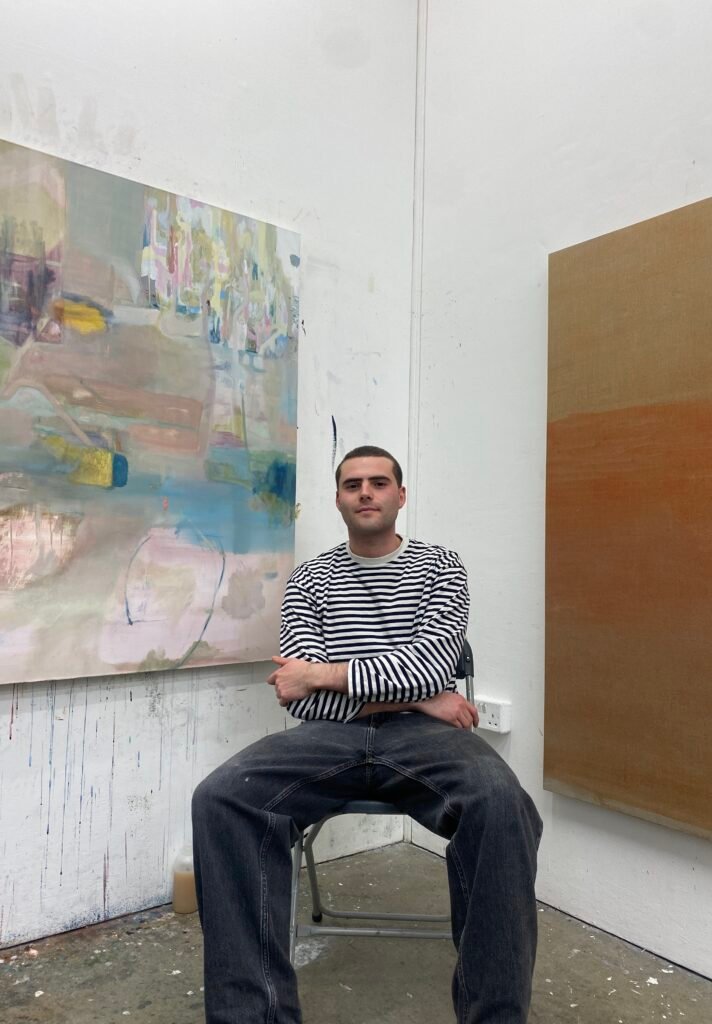
Victor Scheibler is a German painter based in London whose practice explores painting as a way of encountering presence. Working between abstraction and representation, his paintings draw on memory, perception, and imagination to create dreamlike spaces where forms emerge, dissolve, and resist fixed interpretation. Through an investigation of material, colour, and gesture, he uses painting to question what is present and what remains imagined or remembered. Rather than seeking definitive meaning, his work invites sustained looking, allowing sensation, intuition, and perception to unfold before understanding.
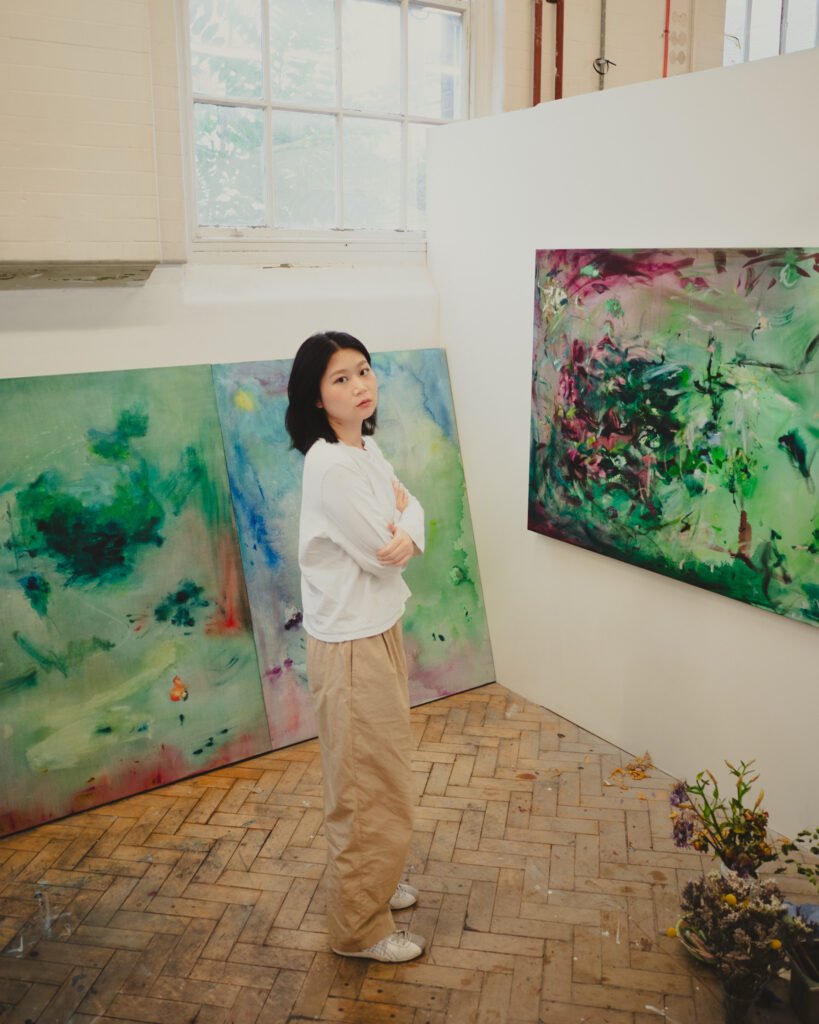
Jiatong Yuan’s work draws inspiration from microbiology, sound, and long walks, underscoring her interest in more-than-human perspectives and ecological forms through attentive material engagement. As an artist, she strives to engage with materials carefully and respectfully, connecting this approach to her broader artistic concerns. Jiatong’s process typically begins by soaking the canvas with water-based medium to establish a fluid ground, setting the stage for her layered painting. She then builds up layers with slow-drying oil paint, allowing the work to unfold through varying speeds, rhythms, and durations. Her brushstrokes move between control and contingency, generating, resisting, and reshaping forms. Fine, delicate marks are often juxtaposed with thicker, more forceful ones, emphasizing the materiality of paint. Her practice is also influenced by classical Chinese painting, particularly its emphasis on stillness, calligraphic brushwork, and wrist movement. Through her work, Jiatong aims to create intimate, nuanced perceptual spaces that invite viewers to engage closely and resonate emotionally with subtle shifts in perception. Yuan is a recipient of the Basil H. Alkazzi Scholarship Award.
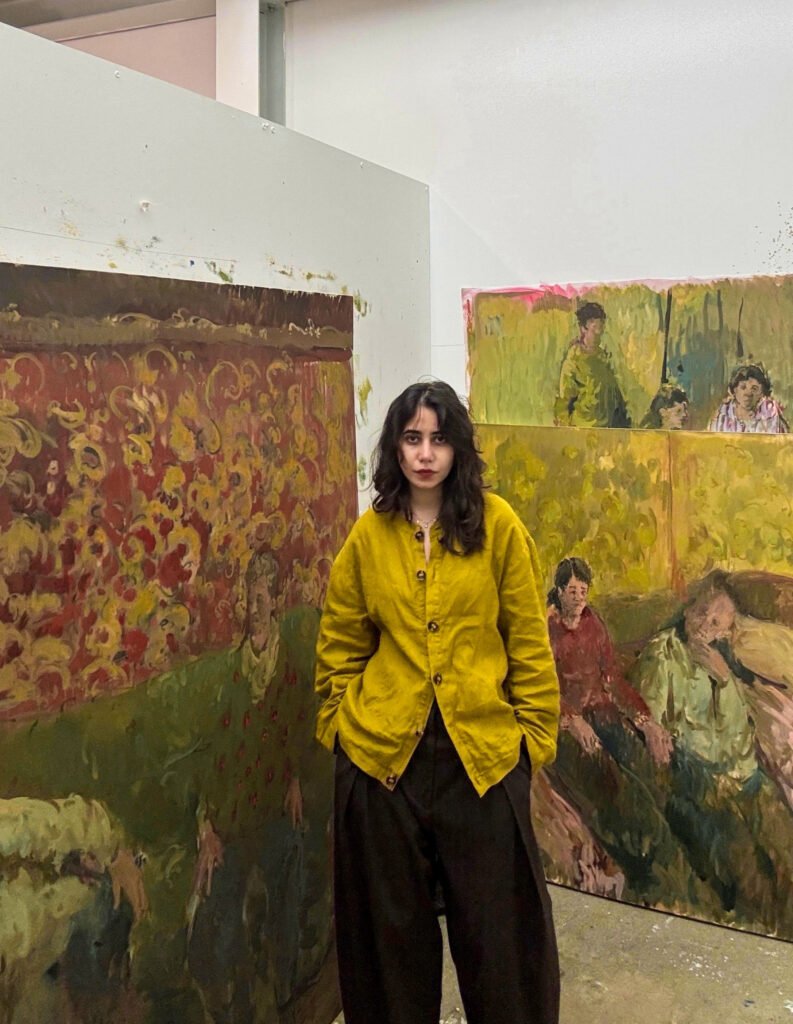
Ajea Zahid is a visual artist from Lahore Pakistan, based in London UK.Her interests lie in the intimacy of the human condition. Zahid works from observations and memory to construct figures that sit somewhere between the deeply familiar and the unknowable. Using the visual language of drawing and painting, her surfaces attempt to locate an emotional truth in the way people exist among and in relation to one another. Zahid is a recipient of the Elizabeth Greenshields Foundation and the White Pube Grant. She has also been awarded the coveted Valerie Beston prize 2026.
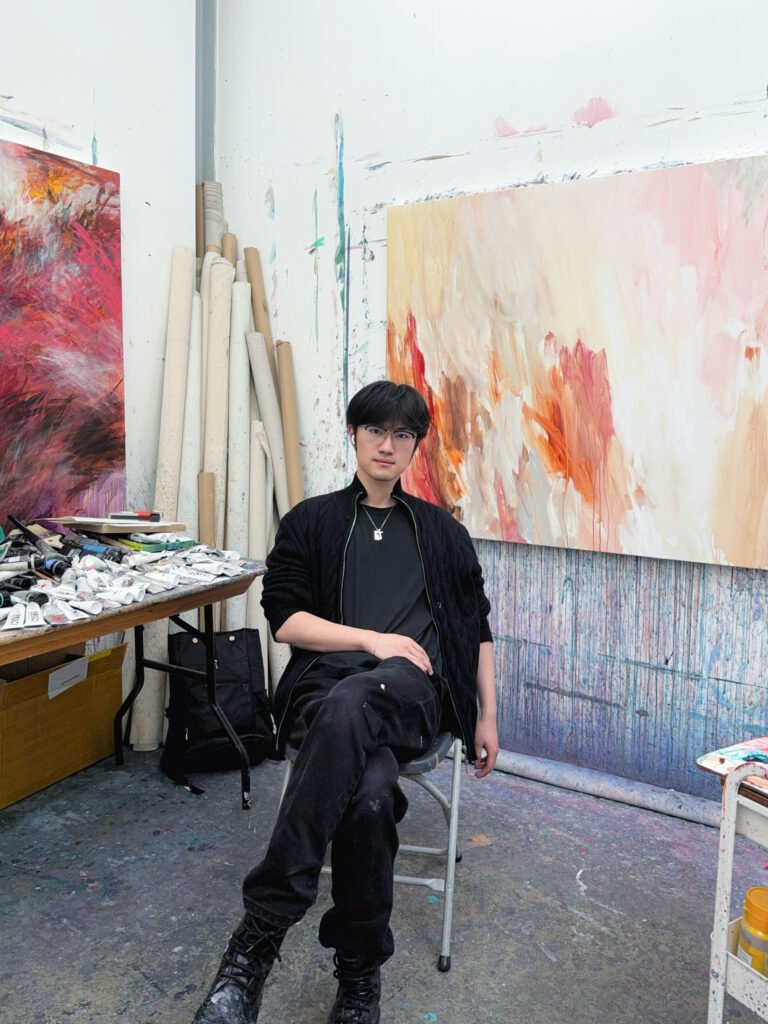
Guangyu Zhang is a contemporary artist working in abstraction. He received his BFA in Drawing & Painting from OCAD University, Toronto, Canada, and is currently pursuing an MA in Painting at the Royal College of Art, London. Zhang’s practice reflects a search for sincerity within abstraction. His paintings operate as sites of negotiation between inner and outer worlds, where gesture, materiality, and colour hold tensions between presence and absence, intimacy and restraint. Rather than offering fixed meaning, Zhang’s work sustains unresolved emotional and psychological states. His paintings function as thresholds, inviting viewers to encounter ambiguity, hesitation, and emotional residue without narrative closure.
Installation Views