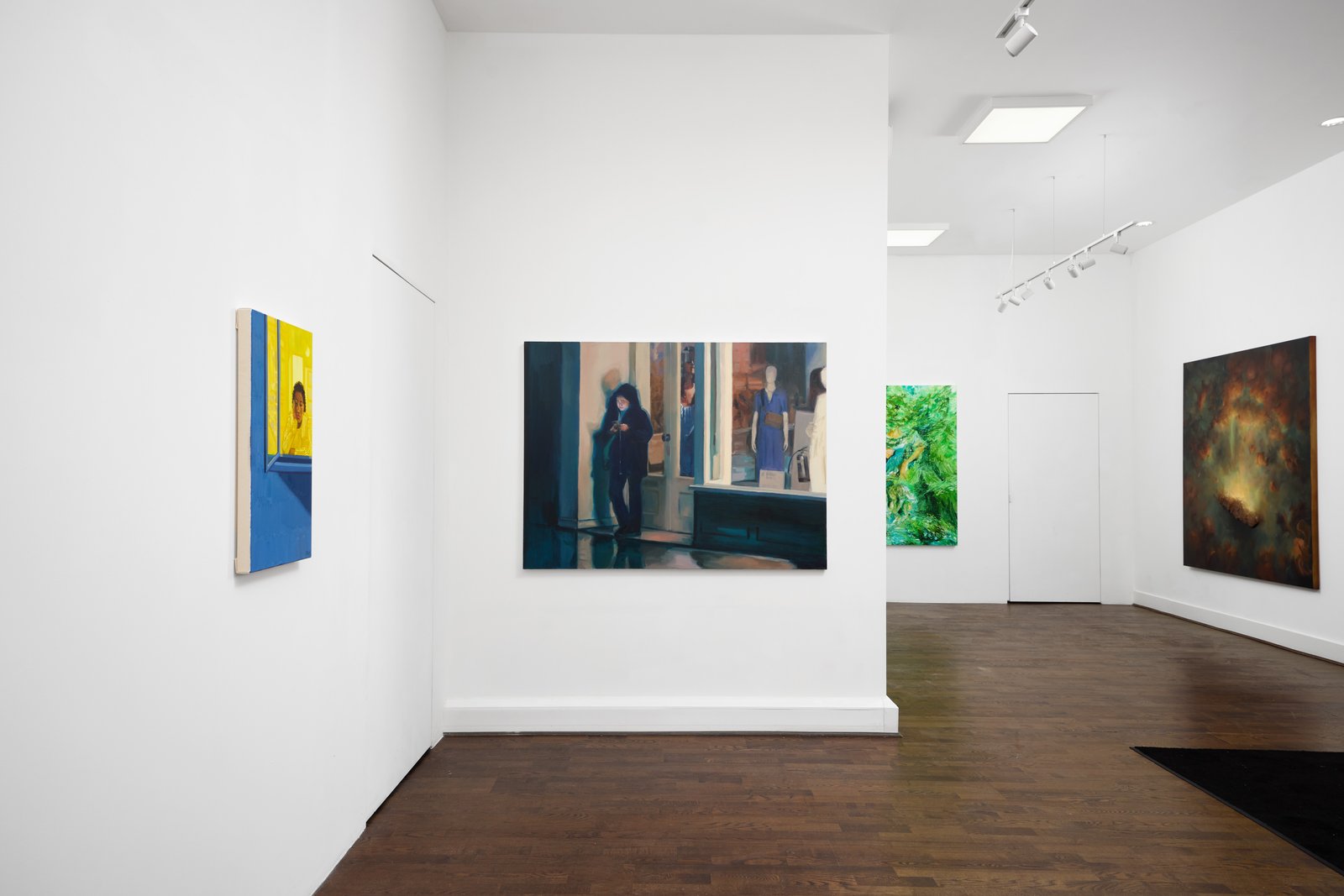
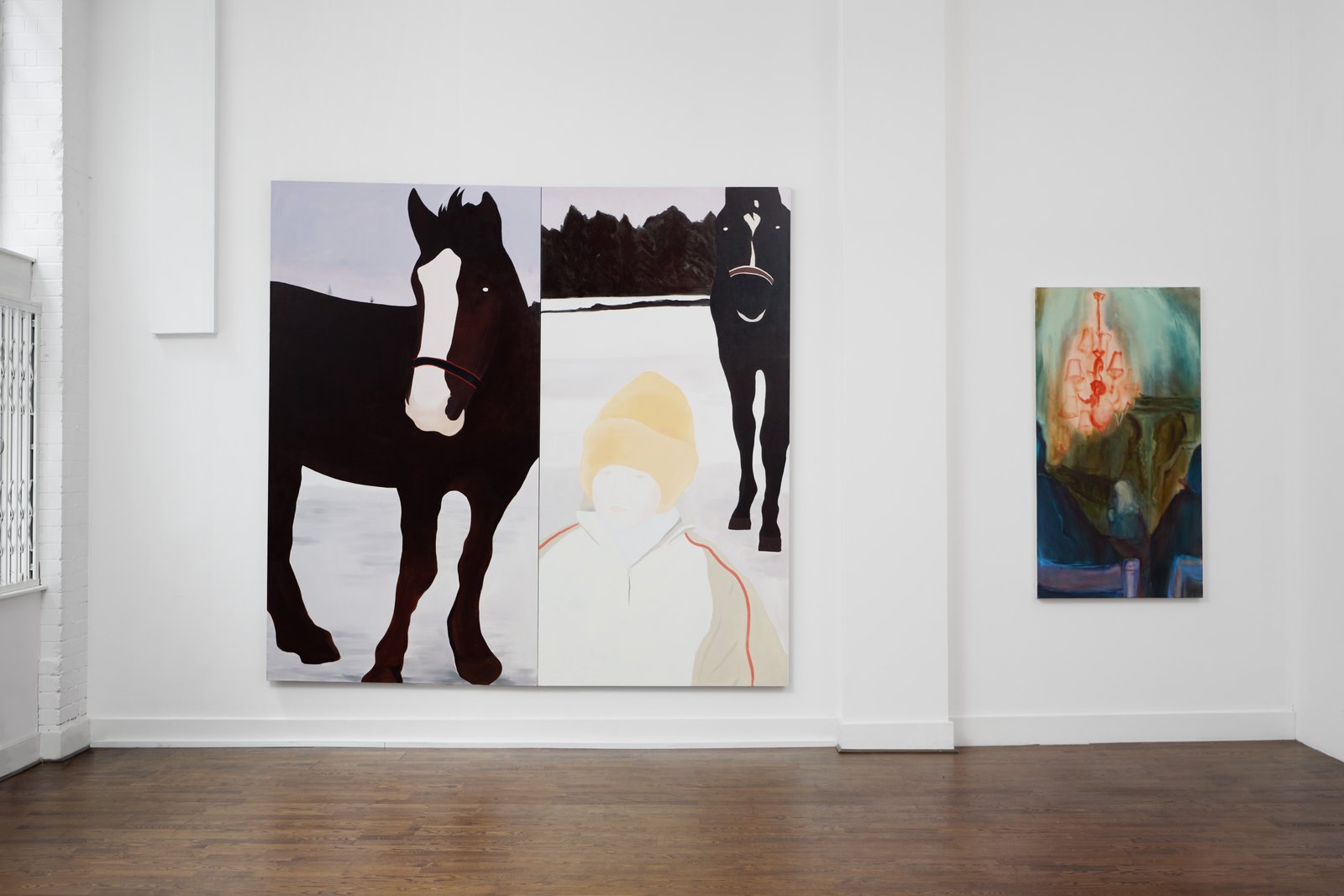
Featuring: Jesse Akele, Anastazie Anderson, Thomas Cameron, David Gardner, Harriet Gillett, Lily Kemp, Gaia Ozwyn, Cece Phillips, and Ming Ying.
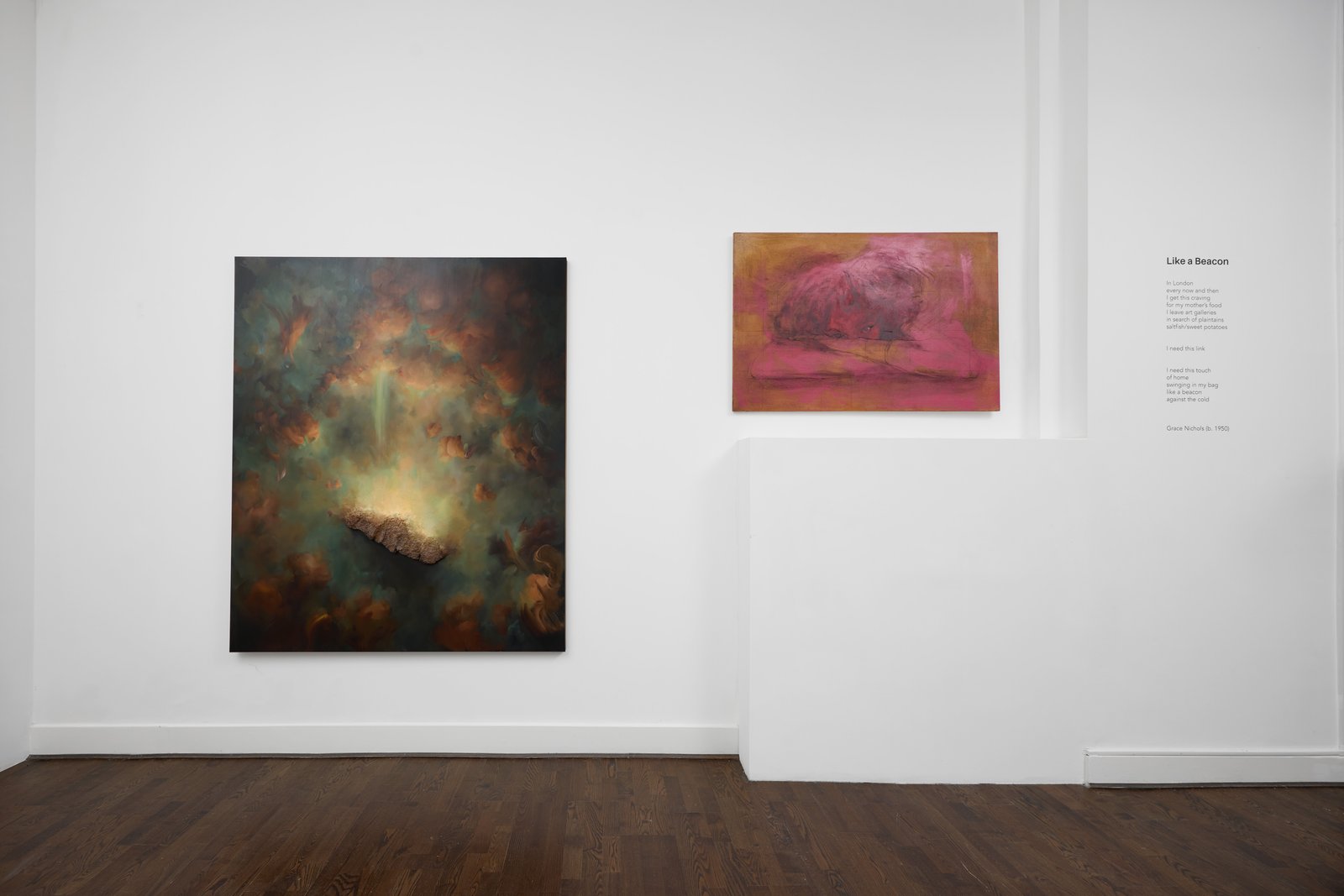
In London
every now and then
I get this craving
for my mother’s food
I leave art galleries
in search of plantains
saltfish/sweet potatoes
I need this link
I need this touch
of home
swinging my bag
like a beacon
against the cold
– Grace Nichols,
‘Like a Beacon’
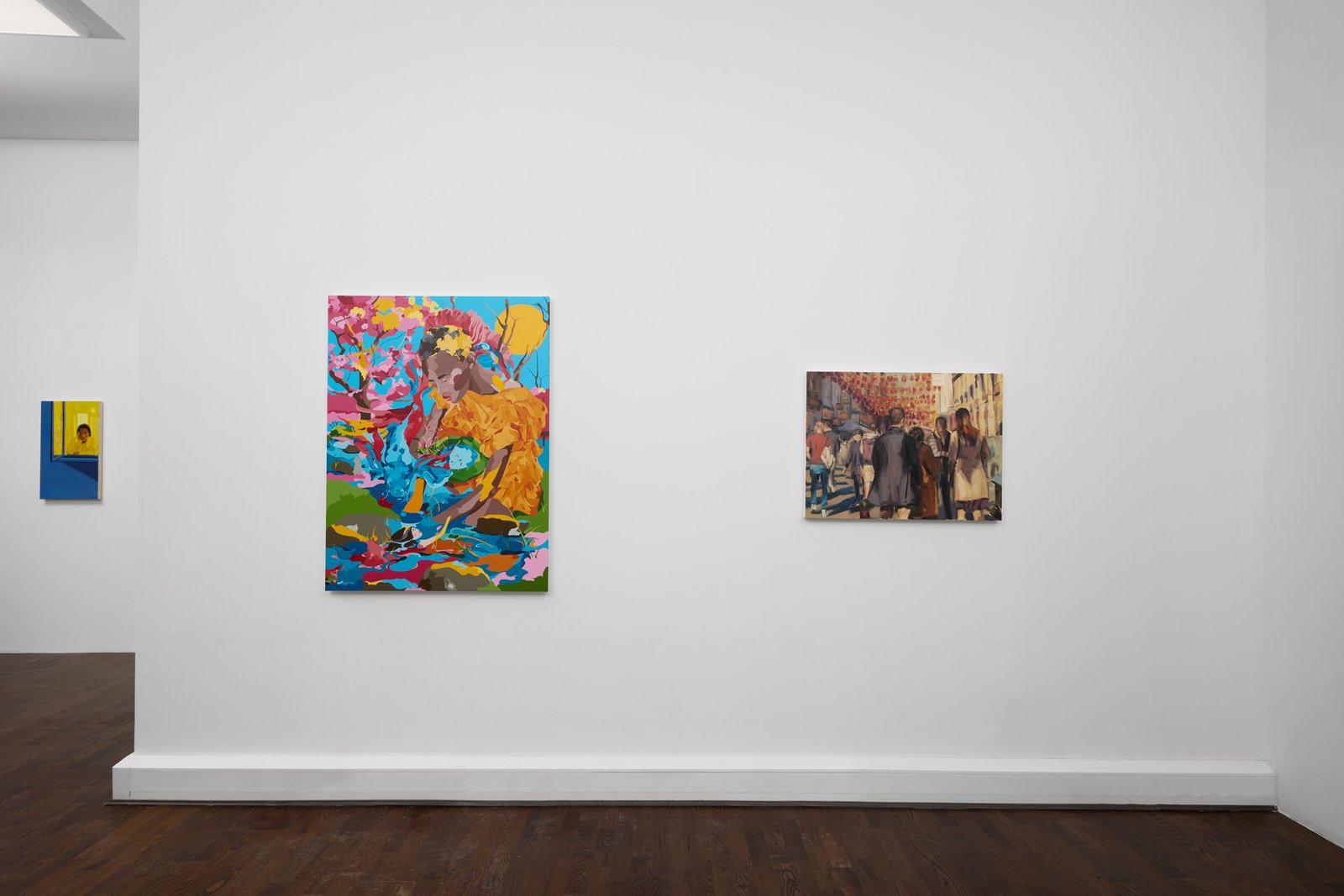
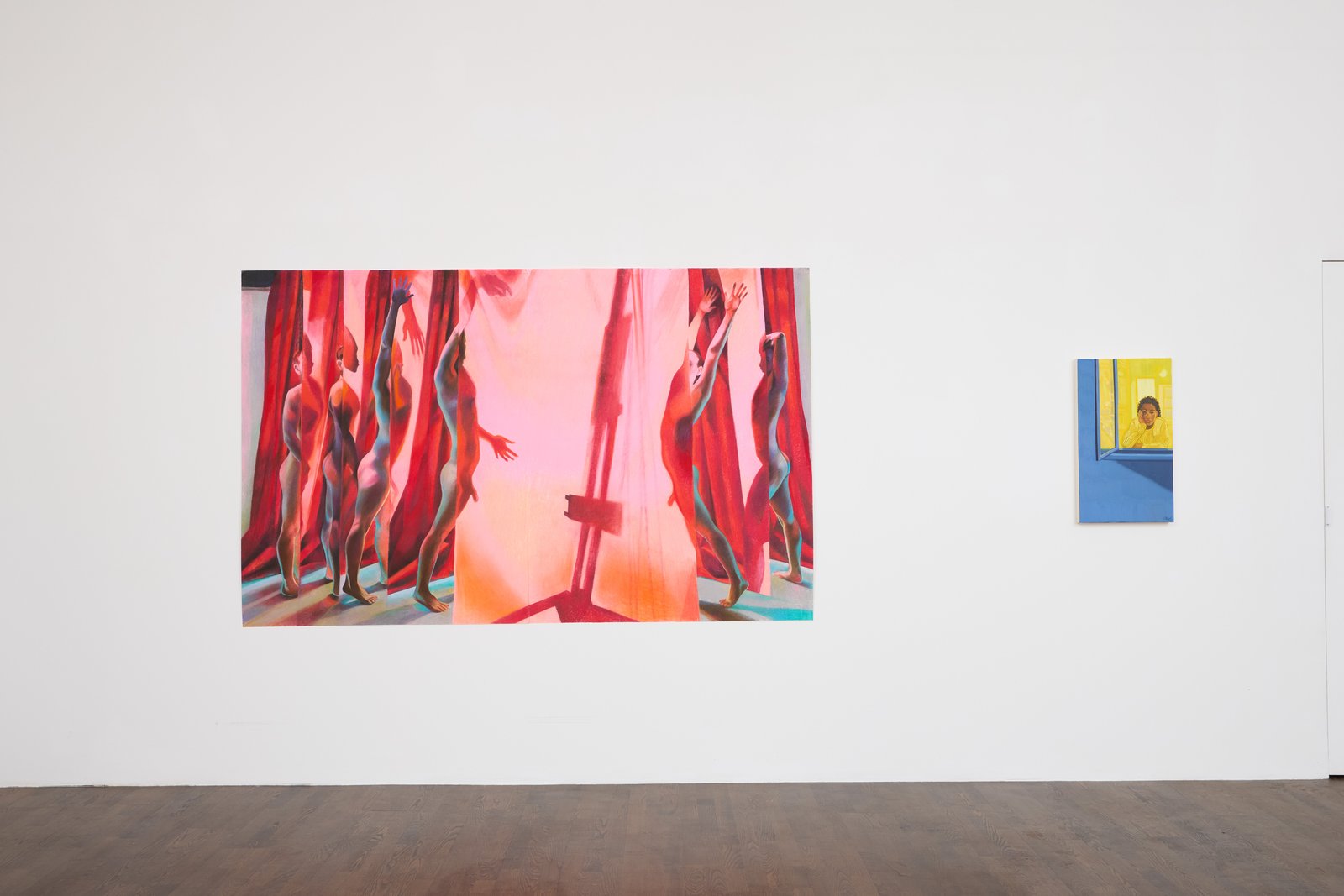
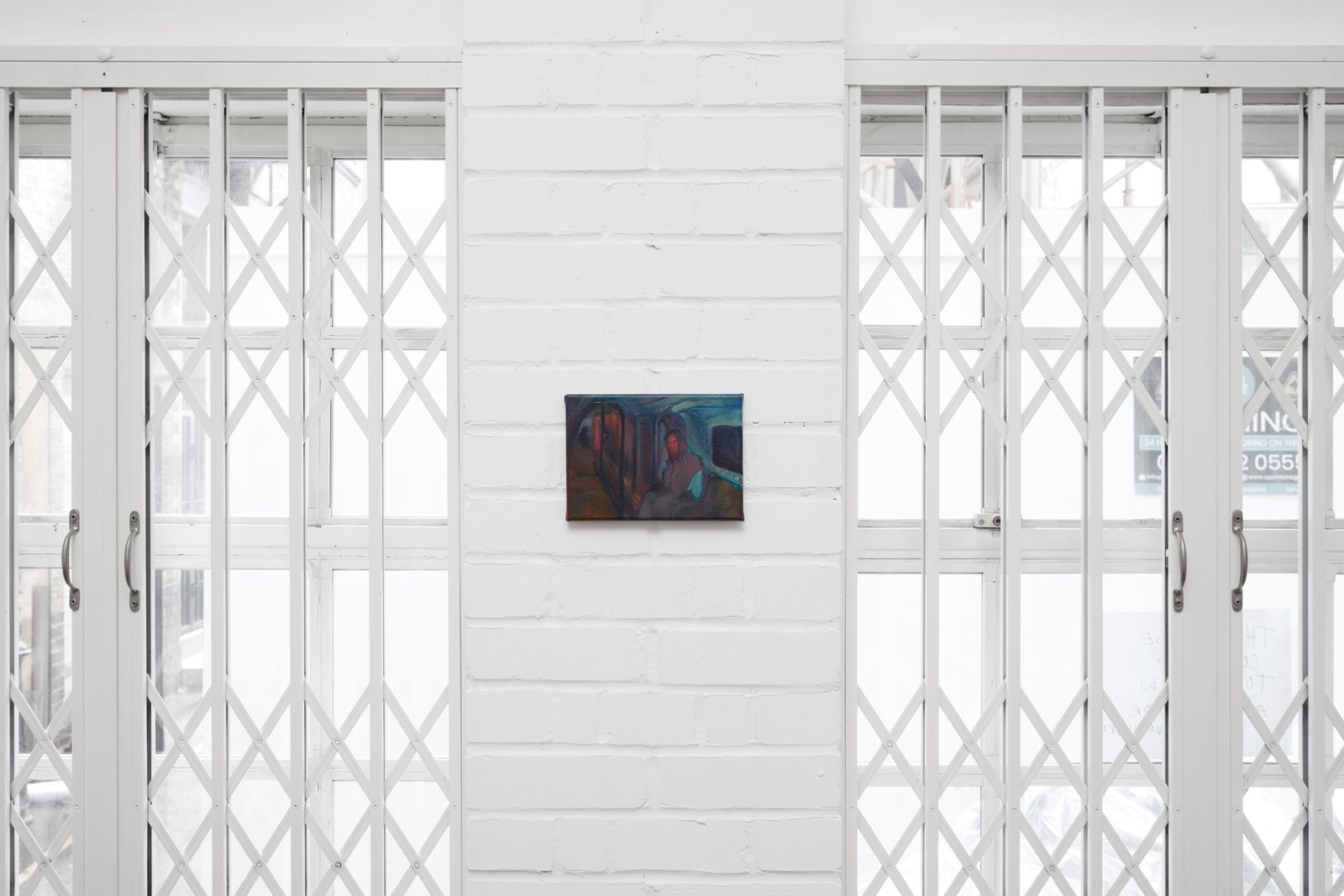
Like a Beacon Against the Cold focuses on how contemporary painters explore the complexities of identity and belonging within the dynamic backdrop of London, a city defined by its transience and rancour, as much as its pulsating creativity.
Inspired by Grace Nichols’s poem ‘Like a Beacon’, this exhibition acknowledges the truth that, throughout its history, the capital’s most thriving painters have often been those who have chosen it – rather than inherited it – as their home. From the oppositional London Group of the 1910s to the School of London in the 1950s, when Jewish refugees Frank Auerbach and Lucian Freud were joined by working-class northerner David Hockney and Lisbon-born feminist Paula Rego, the most prescient artistic observations of the city’s life have been seen through outsiders’ eyes. Today, we find ourselves at a comparative moment for London’s figurative painting scene. Having grown tired of overdetermined identity categories, distrustful of an elite art scene, and pushing figuration to its limits, a new generation of artists have looked to depict their own personal subjectivities among London’s thoroughfares and pleasures, harsh but stimulating cityscapes for our own moment. Curated with an incisive historical sense, but displaying works resolutely of the present moment, Like a Beacon Against the Cold will be a multifaceted group exhibition that reframes how painting can make sense of metropolitan identity today.
This display examines how artists navigate their understanding of geographical roots that ground their sense of selfhood, as well as how they engage with ideas around cultural resilience within contemporary urban contexts. If part of the task of painting is to express something singular about what it means for an individual artist to exist in the world, it also serves as a means for recognizing shared senses of belonging in often cruel, indifferent – yet wildly inspirational – cityscapes.
Installation Views